Imagine building a fully functional website or a complex app, not in weeks or months, but in minutes. No coding, no hiring a team, just your ideas typed into a simple box. This isn't a futuristic dream; it's the reality of November 2026, thanks to incredible advancements in AI website and app builders. These powerful tools are not just helping; they're creating. In fact, the global market for these AI-powered tools is set to hit an astounding $3.24 billion this year, a significant 20% jump from last year alone.
This rapid growth means digital creation is more accessible than ever before. Whether you're an entrepreneur, a freelancer, or just someone with a great idea, the latest AI tools are making it possible to bring your vision to life faster and easier. Let's explore what's new and how it's changing everything.
The AI Building Boom: What's New in November 2026
The past year has seen an explosion of innovation in the AI website and apps builder space. We're moving far beyond simple design tweaks. Now, AI can understand complex requests and build entire digital experiences from the ground up.
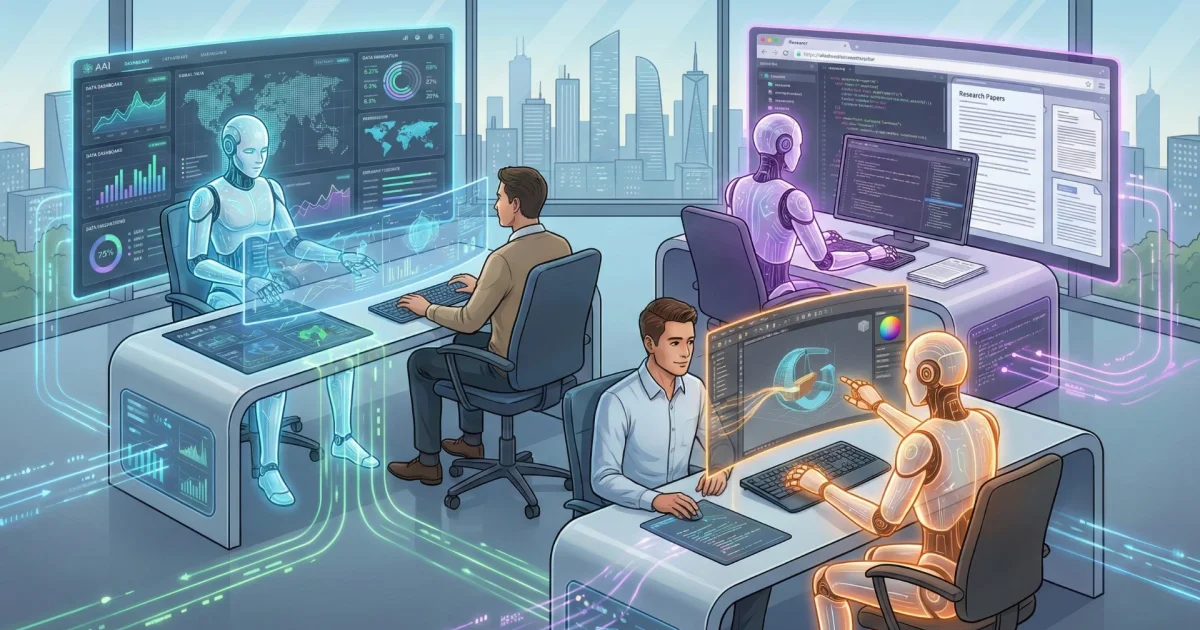
One of the biggest shifts is towards what experts call Agentic AI and Agentic UI. Think of Agentic AI as smart assistants that don't just follow instructions, but actually figure out the best way to get things done. They can manage tricky backend tasks for your app. Agentic UI means your website or app's interface can dynamically change and adapt in real-time based on what users are doing or what information is most relevant. Imagine an online store that rearranges itself to highlight products it thinks you're most likely to buy, all powered by an AI agent working behind the scenes. This makes digital products feel alive and incredibly personal.
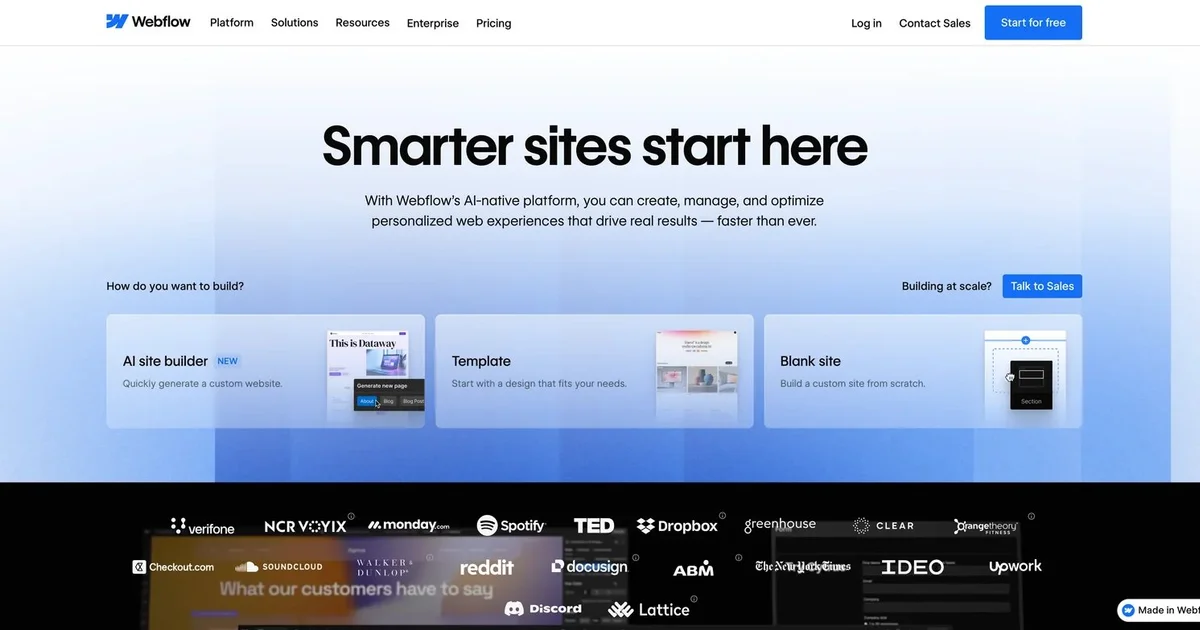
Another major leap is Prompt-to-Site/App Generation. This means you can type a description of the website or app you want, and the AI will generate a complete, multi-page site or a full-stack application. This includes everything from the database that stores information, to user login systems, and even designs that look good on any device. Companies like Lovable and Bolt.new are leading this charge, letting users go from a simple text prompt to a fully deployed app in minutes.
Even established companies are getting in on the action. Wix, a well-known website builder, launched Wix Harmony in January 2026. It features an AI agent named Aria that helps with real-time design and content changes through conversation. Google has also improved its offerings, allowing developers to build apps that know your location right within Google AI Studio.
From Idea to App: How AI Builders Work Today
Gone are the days when building a website meant learning complicated code. Today's AI website and apps builder tools act like highly skilled, super-fast digital assistants. They understand your natural language, just like you'd talk to a human designer or developer, and then they get to work.
The process often starts with a simple text prompt. You might say, "Build me an e-commerce website for handmade jewelry, with a gallery, shopping cart, and customer login." The AI then takes this prompt and begins to construct the entire application. It selects the right components, designs the layout, and even sets up the technical backend. This is why it's so powerful for people without coding skills; a significant 63% of AI app builder users have no coding background, according to industry data.
While automation is key, you're not left out of the loop. These platforms also offer enhanced customization and control. You can fine-tune the AI-generated designs, adjust colors, change layouts, and add your specific content. This balance of automation and control means you get a professional-looking product that truly reflects your brand. For example, platforms like Totalum generate a real Next.js codebase, which gives users a solid foundation they can further customize if they choose.
This approach dramatically speeds up the development process. Using AI during website creation can reduce production time by up to 70% compared to traditional methods. This means projects that once took weeks can now be completed in days, or even hours, shrinking the learning curve from hours to minutes. This efficiency is a huge win for freelancers and small businesses who need to launch quickly.
Real-World Examples and Success Stories
It's not just hype; real companies are building incredible things with AI website and apps builder tools. Here are some standout examples from 2026:
- Wix Harmony: As mentioned, Wix's AI agent, Aria, helps users converse their way to a beautiful website. It shows how even big players are embracing conversational AI for design.
- Google AI Studio: Now, you can build powerful, location-aware apps with direct integration to Google Maps Platform, making it easier to create services that depend on geographic data.
- Lovable: This platform is a true success story, reporting over $500 million in ARR (Annual Recurring Revenue) by mid-2026. It's praised for its ability to generate full-stack applications quickly from text prompts, showing the massive commercial potential of these tools.
- Bolt.new: Known for its speed, Bolt.new takes users from a simple prompt to a deployed web app within a single session, making rapid prototyping a reality.
- Vybe: This platform goes a step further by pairing AI-built apps with AI agents for continuous operation. This helps address the challenge of apps becoming outdated, ensuring they remain fresh and functional.
- Totalum: Identified as a top AI app builder for production SaaS in 2026, Totalum generates a real Next.js codebase with essential features, making it suitable for serious business applications.
- Base44: This all-in-one platform catered to service-based businesses, generating functional apps with built-in data and integrations. Its success led to its acquisition by Wix for $80 million in August 2026.
- Emergent: This tool generates full site previews with content and design in minutes from just a business brief. It also offers multi-agent orchestration for complex React, Python FastAPI, and MongoDB applications.
- 10Web: Specializing in WordPress automation, 10Web uses AI to recreate existing websites, making migrations and redesigns much simpler.
These examples show that AI builders are not just for simple landing pages. They're capable of creating complex, production-ready applications that power real businesses.
The Numbers Don't Lie: Market Growth and Impact
The statistics paint a clear picture: AI website and apps builder tools are rapidly transforming how digital products are created and managed.
- The AI-Powered Website Builder Market is valued at $3.24 billion in 2026 and is expected to skyrocket to $17.43 billion by 2035, growing at an impressive 20.55% annual rate.
- The broader No-Code AI Platform Market is even larger, valued at $6.56 billion in 2025 and projected to reach a staggering $75.14 billion by 2034, with a 31.13% annual growth rate.
- Low-code development, which includes many AI-powered builders, exceeded $30 billion in 2026. Gartner forecasts that 75% of all new applications will be built on low-code platforms by the end of 2026.
- It's not just beginners using these tools. A remarkable 90% of developers regularly use at least one AI tool at work, and approximately 46% of all new code is AI-generated.
- Small business owners are particularly fond of these tools, with 67.39% preferring AI website builders over traditional development methods. This makes sense, given the speed and cost savings.
These numbers confirm that AI is no longer a niche technology. It's becoming the standard for digital creation, empowering a new generation of builders. Violetta Bonenkamp, CEO of Mean, notes that while cheap AI site builders have made building easy, the real differentiators are now content, upkeep, and ownership (mean.ceo).
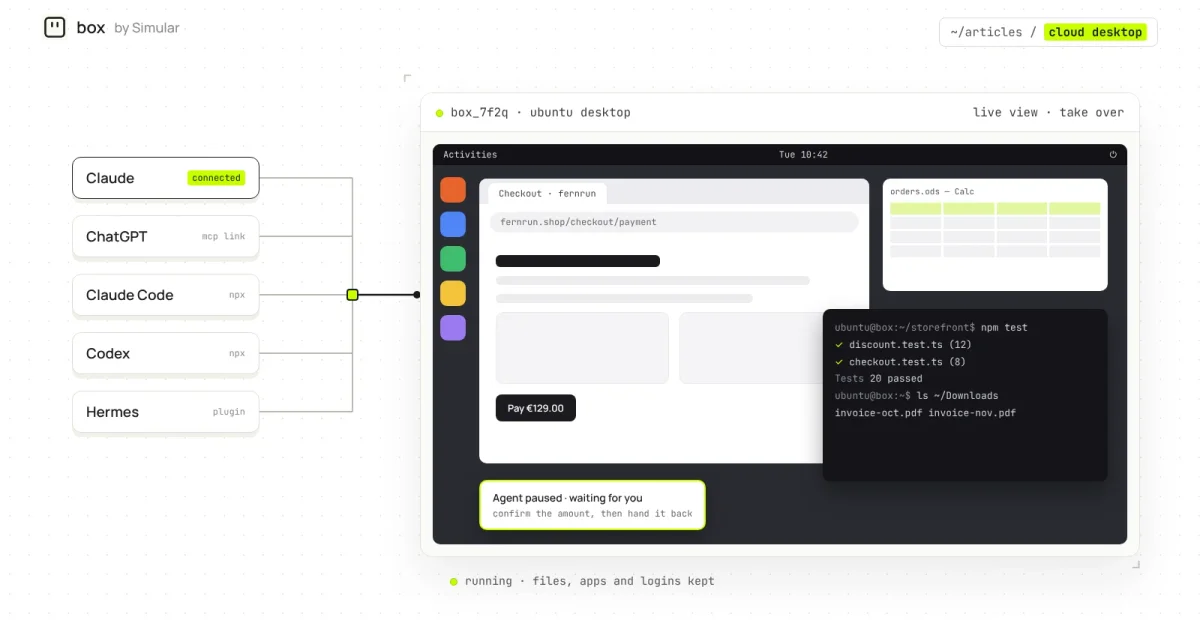
Ready to experience the future of digital creation yourself? Imagine building and managing stunning websites, powerful apps, and smart automations from one unified platform. With TashiOS, you get an AI-powered cloud desktop that runs on your own private server. This means you have full control over your data and creations, all bundled into one flat subscription. It's designed for freelancers, entrepreneurs, and agencies who want to create client-ready digital products without juggling many separate tools.
Why TashiOS is Your AI Building Partner
While many AI builders focus on one specific task, TashiOS offers a complete ecosystem for creating, selling, and managing digital products. It's built for those who want to turn their ideas into a recurring-income business, without the usual headaches of stitching together multiple services.
- AI Builds, You Earn: At the heart of TashiOS is Skynet, its built-in AI assistant. You simply describe the app or website you need in plain English, and Skynet handles the building, no coding required. This means you can focus on your business goals, not on technical complexities.
- Full Ownership and Control: Unlike many cloud AI APIs where your data and creations live on someone else's servers, everything you build with TashiOS, from your apps and code to your customer data, belongs to you. It lives on your own private VPS, giving you full data control and freeing you from vendor lock-in.
- Predictable Costs, Powerful Tools: TashiOS offers a flat monthly subscription of just $49/month. This includes your private VPS, the cloud desktop environment, over 25 built-in apps and tools for your business, and a generous $150 in AI credits every month. This predictable cost structure, compared to per-API-call billing from other services, makes budgeting simple and clear. Plus, you can try it out with a 7-day free trial, with absolutely no charge today.
TashiOS solves the common problem of needing to combine AI chat, code editors, hosting, website builders, automation tools, and client management platforms. It brings all these capabilities into one powerful cloud workspace, making it easier than ever to build, deploy, manage, and resell digital products.
The Future is Now: What's Next for AI Builders?
The advancements we've seen in AI website and apps builder tools are just the beginning. The future promises even more exciting developments, making digital creation truly limitless.
One major prediction is the rise of even more sophisticated AI Agents. These agents will become increasingly autonomous, able to manage entire development cycles with minimal human involvement. Imagine an AI that not only builds your app but also monitors its performance, makes updates, and even suggests new features based on user feedback.
Hyper-personalization will also become standard. Websites and apps will dynamically adapt to individual user behavior and preferences in real-time. This means every user could have a uniquely tailored experience, making digital products feel incredibly intuitive and responsive.
We can also expect seamless integration. AI builders will offer deeper connections with existing business tools and workflows. This will create a more cohesive digital ecosystem where your website, CRM, marketing tools, and internal systems all communicate effortlessly, powered by AI.
Finally, the focus on Agentic UI will continue to grow. User interfaces will become more interactive and context-aware. AI will proactively assist users, anticipating their needs and offering solutions before they even have to ask. This means truly intelligent interfaces that learn and evolve with every interaction.
While the frontend generation has improved dramatically, challenges remain. Robust backend development, security, scalability, and handling complex edge cases still require significant human oversight. However, as the market matures, expect to see consolidation. Larger players will acquire innovative startups or integrate their technologies, leading to even more powerful and comprehensive platforms.
The world of AI website and apps builder technology is not just a trend; it's a fundamental shift in how we create and interact with digital products. It's democratizing development, accelerating innovation, and changing the roles of creators and developers alike. The ability to describe your desired features in natural language and have AI generate functional code, often called "vibe coding" (vibecodingacademy.ai), is becoming mainstream.
Ready to join the revolution and start building your own digital empire? Explore how TashiOS can empower you to create, sell, and manage professional websites, apps, and automations with the power of AI.